Practical guidance for Florida families. Clear, calm, and to the point.
Quick Compare: Filing First vs. Waiting
Filing First
- Locks in the “Date of Filing” for debt cut-off
- Lets you pick a proper county (venue) when options exist
- Gets financial disclosures moving sooner (Rule 12.285)
- Allows immediate requests for temporary orders
- Signals seriousness and sets a negotiation pace
Waiting
- Avoids initial filing costs for now
- Gives time to prepare documents & finances
- Reduces emotional pressure if you’re not ready
- Sometimes helps settlement talks before lawyers
- But: no debt cut-off and less control over timing
Want a step-by-step walkthrough? See Florida Divorce Guide & Resources.
Advantages and Reasons of Filing for Divorce First
There are a few scenarios where filing first makes a real difference. I’ll explain each advantage here…Florida’s “Date of Filing” Can Protect You From Your Spouse’s Future Debts and Overspending
One huge reason to file first is if your spouse is financially irresponsible. When you file for divorce, you establish the “Date of Filing.” In Florida, generally speaking, debt your spouse incurs after the Date of Filing becomes their debt moving forward (subject to the court’s equitable distribution decisions). Meaning, if you file on Monday and on Tuesday your spouse charges $1,000 on a credit card for random purchases, you’re usually not on the hook for that new debt. If they buy the same items on Sunday—before you file—you could be responsible for half. This can apply even if the card is only in your spouse’s name, because Florida treats many obligations as marital unless the facts show otherwise. Learn more about non-marital property and how the court separates assets and debts. If you’re worried about spending or secret debt and you’re sure you want a divorce, acting sooner can limit financial harm. (Florida’s equitable distribution rules live in Chapter 61, Florida Statutes.)Gaining Control of the Divorce Process
Filing first can give you some control over timing and, when more than one county is proper, the venue. You also start formal mandatory disclosures (financials) sooner, which helps if your spouse runs the money. Florida Family Law Rules of Procedure Rule 12.285 requires both sides to exchange key financial documents early. Filing first lets you promptly ask for temporary relief (temporary timesharing, child support, exclusive use of the home, bill payments, etc.). If you need stability fast, this matters. For a plain-English walkthrough, see Mediation & the Divorce Process in Florida.Setting the Tone for Divorce Negotiations
Filing first can set the pace. You present your story first, define issues, and show you’re ready to move forward. That often nudges settlement talks in a productive direction—especially if your spouse has been stalling. A steady, experienced lawyer helps keep things calm and fair. If kids are involved, learn how Florida parenting plans and time-sharing rules work so you know what’s realistic.Florida’s “Date of Filing” Can Protect You From Your Spouse’s Future Debts and Overspending
One huge reason to file first is if your spouse is financially irresponsible. When you file for divorce, you establish the “Date of Filing.” In Florida, generally speaking, debt your spouse incurs after the Date of Filing becomes their debt moving forward (subject to the court’s equitable distribution decisions). Meaning, if you file on Monday and on Tuesday your spouse charges $1,000 on a credit card for random purchases, you’re usually not on the hook for that new debt. If they buy the same items on Sunday—before you file—you could be responsible for half. This can apply even if the card is only in your spouse’s name, because Florida treats many obligations as marital unless the facts show otherwise. Learn more about non-marital property and how the court separates assets and debts. If you’re worried about spending or secret debt and you’re sure you want a divorce, acting sooner can limit financial harm. (Florida’s equitable distribution rules live in Chapter 61, Florida Statutes.)Gaining Control of the Divorce Process
Filing first can give you some control over timing and, when more than one county is proper, the venue. You also start formal mandatory disclosures (financials) sooner, which helps if your spouse runs the money. Florida Family Law Rules of Procedure Rule 12.285 requires both sides to exchange key financial documents early. Filing first lets you promptly ask for temporary relief (temporary timesharing, child support, exclusive use of the home, bill payments, etc.). If you need stability fast, this matters. For a plain-English walkthrough, see Mediation & the Divorce Process in Florida.Setting the Tone for Divorce Negotiations
Filing first can set the pace. You present your story first, define issues, and show you’re ready to move forward. That often nudges settlement talks in a productive direction—especially if your spouse has been stalling. A steady, experienced lawyer helps keep things calm and fair. If kids are involved, learn how Florida parenting plans and time-sharing rules work so you know what’s realistic.Florida’s “Date of Filing” Can Protect You From Your Spouse’s Future Debts and Overspending
One huge reason to file first is if your spouse is financially irresponsible. When you file for divorce, you establish the “Date of Filing.” In Florida, generally speaking, debt your spouse incurs after the Date of Filing becomes their debt moving forward (subject to the court’s equitable distribution decisions). Meaning, if you file on Monday and on Tuesday your spouse charges $1,000 on a credit card for random purchases, you’re usually not on the hook for that new debt. If they buy the same items on Sunday—before you file—you could be responsible for half. This can apply even if the card is only in your spouse’s name, because Florida treats many obligations as marital unless the facts show otherwise. Learn more about non-marital property and how the court separates assets and debts. If you’re worried about spending or secret debt and you’re sure you want a divorce, acting sooner can limit financial harm. (Florida’s equitable distribution rules live in Chapter 61, Florida Statutes.)Gaining Control of the Divorce Process
Filing first can give you some control over timing and, when more than one county is proper, the venue. You also start formal mandatory disclosures (financials) sooner, which helps if your spouse runs the money. Florida Family Law Rules of Procedure Rule 12.285 requires both sides to exchange key financial documents early. Filing first lets you promptly ask for temporary relief (temporary timesharing, child support, exclusive use of the home, bill payments, etc.). If you need stability fast, this matters. For a plain-English walkthrough, see Mediation & the Divorce Process in Florida.Setting the Tone for Divorce Negotiations
Filing first can set the pace. You present your story first, define issues, and show you’re ready to move forward. That often nudges settlement talks in a productive direction—especially if your spouse has been stalling. A steady, experienced lawyer helps keep things calm and fair. If kids are involved, learn how Florida parenting plans and time-sharing rules work so you know what’s realistic.Disadvantages of Filing for Divorce First in Florida
Higher Legal Fees At First
Since you’re initiating, you pay the filing fee and first service costs. In many counties, filing runs in the low-$400s (check your clerk’s page), and you’ll likely pay a process server fee. For an overview of typical costs, see How much does a divorce lawyer cost in Florida? If you expect to collect alimony after the case, that can offset early costs. Just remember, these decisions are fact-specific.Increased Stress and Pressure
Filing first can feel heavy. You’re making the first move and juggling emotions, paperwork, and decisions. If you need a calmer on-ramp, consider doing a strategy meeting first to plan, then file when you’re ready.Potential for Negative Reactions from Spouse
Your spouse may react poorly to being “served,” which can raise tensions. A steady tone, reasonable proposals, and a focus on kids (if any) keeps things from escalating. If safety is an issue, learn about Florida domestic violence injunctions and court protections right away. For a mindset reset, grab my free guide, The 10 Secrets to Every Successful Divorce In Florida.Higher Legal Fees At First
Since you’re initiating, you pay the filing fee and first service costs. In many counties, filing runs in the low-$400s (check your clerk’s page), and you’ll likely pay a process server fee. For an overview of typical costs, see How much does a divorce lawyer cost in Florida? If you expect to collect alimony after the case, that can offset early costs. Just remember, these decisions are fact-specific.Increased Stress and Pressure
Filing first can feel heavy. You’re making the first move and juggling emotions, paperwork, and decisions. If you need a calmer on-ramp, consider doing a strategy meeting first to plan, then file when you’re ready.Potential for Negative Reactions from Spouse
Your spouse may react poorly to being “served,” which can raise tensions. A steady tone, reasonable proposals, and a focus on kids (if any) keeps things from escalating. If safety is an issue, learn about Florida domestic violence injunctions and court protections right away. For a mindset reset, grab my free guide, The 10 Secrets to Every Successful Divorce In Florida.Side-by-Side: Filing First vs. Waiting
| Issue | Filing First | Waiting |
|---|---|---|
| Date of Filing (Debt Cut-Off) | Locks in sooner; post-filing debt is usually their own | No cut-off yet; new debt may still be marital |
| Venue Choice | Potential to choose a proper county when multiple apply | May lose that choice if spouse files first |
| Temporary Orders | Can request support/timesharing early | Must wait until a case exists |
| Upfront Costs | Pays filing & service fees now | No fees yet, but exposure continues |
| Momentum | Sets timeline and negotiation pace | Slower; risk of stalling or overspending |
| Stress Level | Initial pressure; clear plan helps | Less pressure now; more uncertainty |
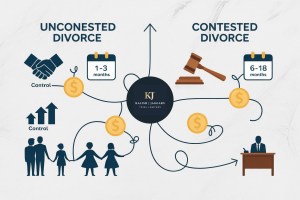
Curious how long each path can take? Check the Florida Divorce Process guide for timelines.
Your First-Mover Game Plan (At-a-Glance)
1
Safety & Stability
If there’s violence or threats, review injunction options. If kids are involved, think interim routines.
2
Documents
Gather pay stubs, tax returns, bank & credit statements, mortgage, car loan, retirement—disclosure is coming either way (Rule 12.285).
3
Cash Flow
List income, bills, and immediate needs. Learn the basics of alimony and temporary support.
4
Kids & Time-Sharing
Study parenting plans and what courts look at. Keep conflict away from the kids.
5
File & Serve
Filing opens the case; service starts the 20-day response window. See clerk fees above.Cost Snapshot When You File First
| Item | Typical Range | Notes |
|---|---|---|
| Court Filing Fee | $409–$450 | Varies by county; see clerk links above |
| Summons Issuance | ~$10 | Clerk stamp/seal |
| Process Server | $40–$100 | Depends on location/attempts |
| Attorney Retainer | $2,500–$7,500+ | Experience & case complexity matter—see divorce lawyer costs |
For statewide basics, see the Florida Courts official divorce page.
Should You File First? (Mini Decision Helper)
Frequently Asked Questions
Does filing first in Florida give me an automatic advantage?
Not automatic—but it can help with timing, the Date of Filing for debt, and getting temporary orders moving. Courts still decide issues based on Florida law and your facts. Start with the process overview.
Can filing first help with hidden money or missing documents?
Yes. Filing triggers mandatory financial disclosure (Rule 12.285), and you can request more via discovery. If you suspect concealment, talk to counsel about subpoenas or experts.
Will I look “aggressive” if I file first?
Filing is just how a case begins. Judges care about cooperation and child-focused, good-faith behavior. Your tone after filing matters more than who filed first. See our guide on protecting kids during divorce.
How does filing first affect child custody?
Florida decides timesharing based on best interests—not who filed first. Filing can help you request temporary schedules sooner. Read about parenting plans and enforcing time-sharing.
What if my spouse retaliates or cuts me off financially?
Courts can order temporary support and allocate bill payments. If there’s abuse, consider a protective injunction. If safe, keep records and communicate through your lawyer.
Is mediation required in Florida divorces?
Most circuits require mediation before trial. It’s cost-effective and resolves many cases. Get prepared with our mediation guide.
How much will it cost if I file first?
Expect filing & service fees and an attorney retainer if you hire counsel. Review our Florida divorce costs explainer and county fee pages linked above.
Do I have to live in Florida to file here?
At least one spouse must have lived in Florida for the six months before filing (see §61.021, Fla. Stat.). Venue is usually the county where either party resides.
Pro Tip
If you know you’ll file soon, freeze the financial picture: save statements, back up emails, and don’t drain accounts. Judges dislike self-help.Get a Calm, Clear Plan
Have questions about your facts? Book a Strategy Meeting to map your next steps before you file.Conclusion
Filing for divorce first in Florida can be a smart move when you need a debt cut-off date, fast temporary orders, or tighter control over timing. It can also come with upfront costs and emotional pressure. Weigh the trade-offs, look at your safety, finances, and kids, and choose the path that fits your reality. If you’re ready to get your case going then click here to book a quick call with our intake specialist Vanessa. She’ll gather your details and get you on my calendar.Related Florida Divorce Questions
- The Florida Divorce Process Explained
- Can My Spouse Take My Retirement In A Divorce In FL?
- What is considered marital property in Florida?
- Florida Divorce Resources
- Mediation & Divorce in Florida
- Enforcing Time-Sharing
- Child Custody & Timesharing
External resources: Florida Courts: Divorce • Florida Statutes, Ch. 61